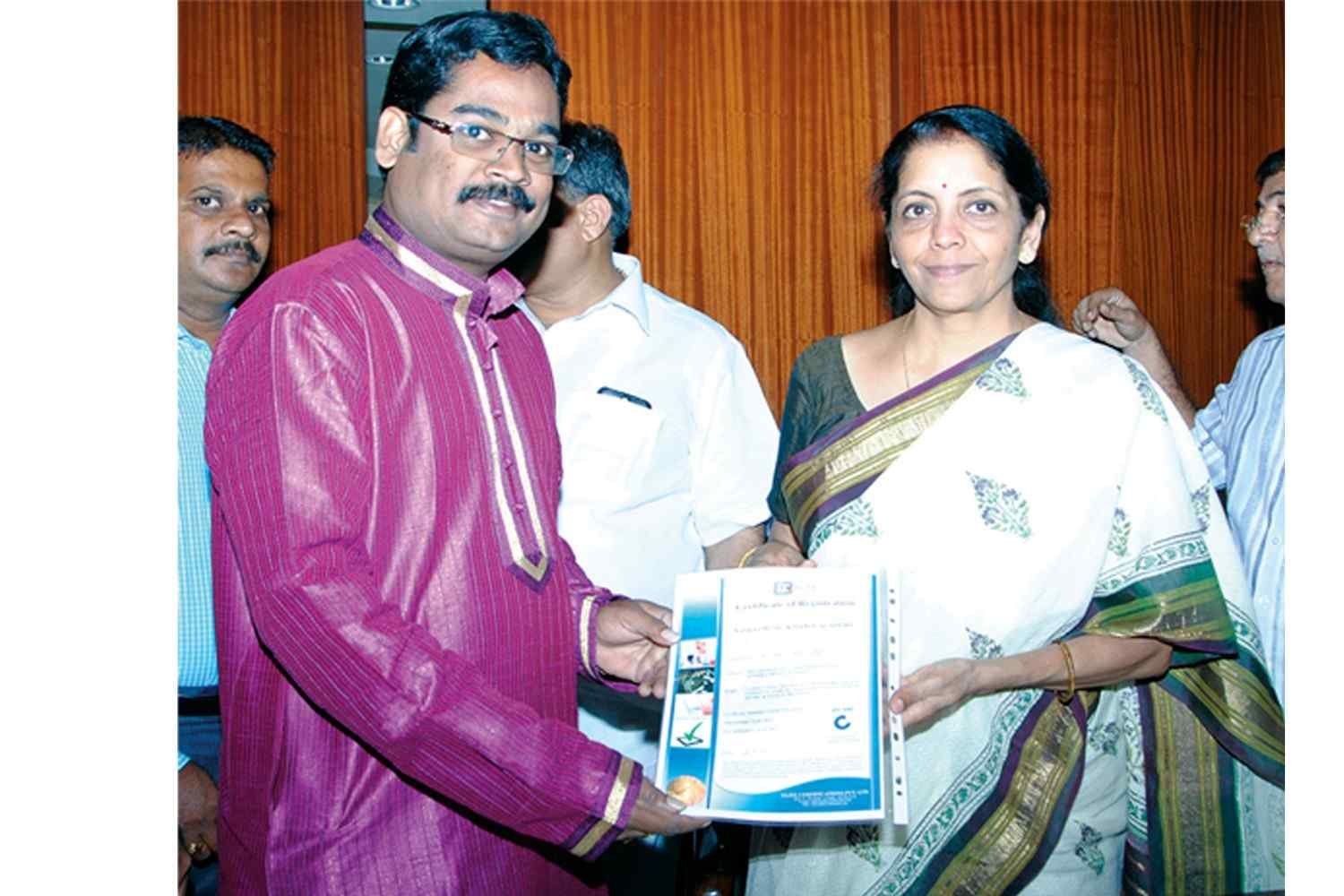
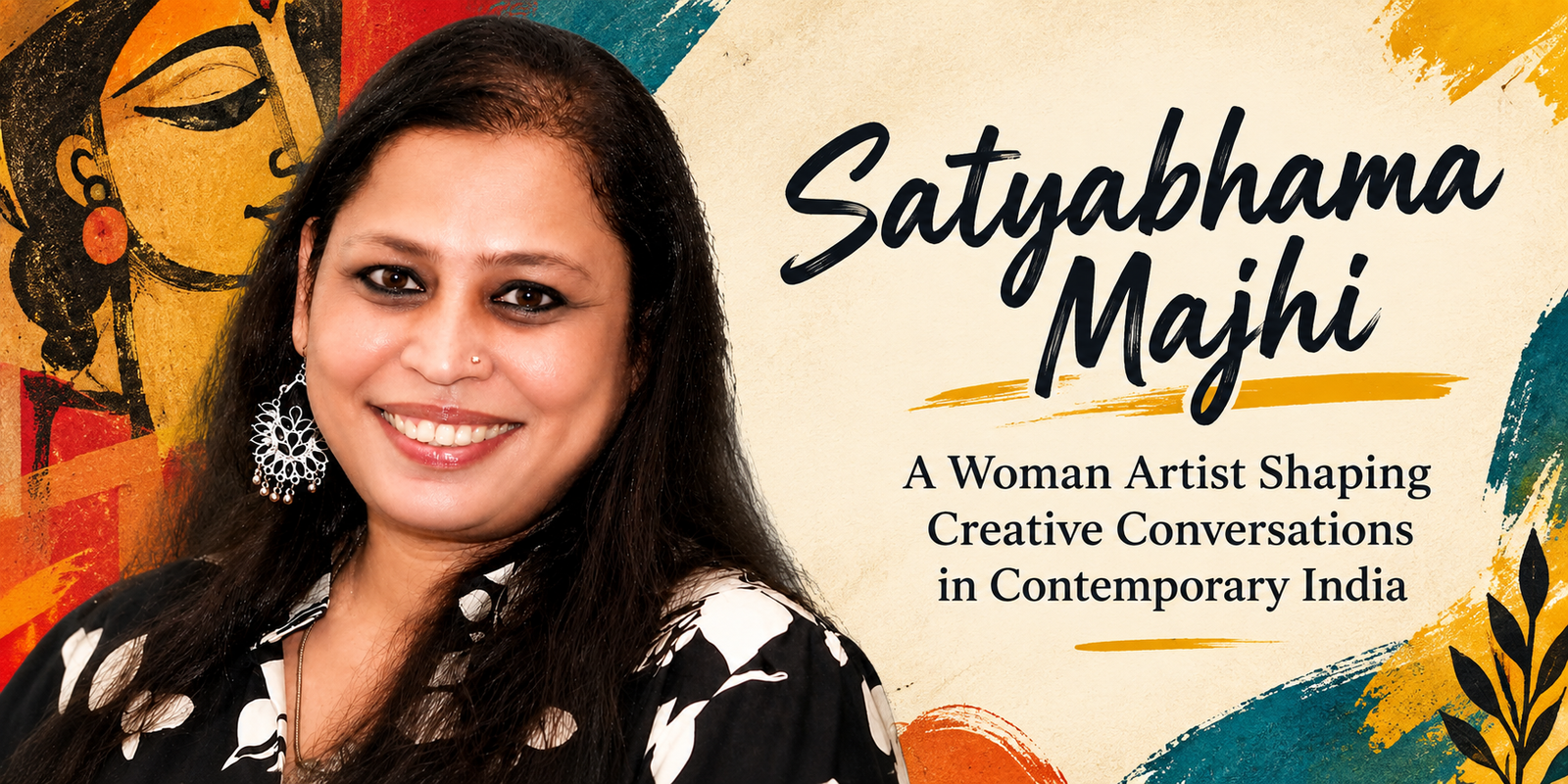
Satyabhama Majhi and Socially Engaged Art: Rethinking the Role of the Contemporary Artist
The role of a contemporary artist has expanded significantly beyond the traditional boundaries of the studio and gallery. Today, artists may work with communities, schools, public institutions, cultural organisations, and social environments, using creative practice as a way to encourage dialogue and participation. Odisha-based artist Satyabhama Majhi represents this broader understanding of contemporary artistic practice.
A multidisciplinary visual artist, curator, social activist, and community art practitioner, Majhi has developed a career that brings together painting, sculpture, installation, photography, mixed media, public art, education, and community engagement. Her practice demonstrates how art can become a process of interaction rather than simply the production of an object.
Beyond the Traditional Studio
The studio remains an important part of artistic practice, but Majhi’s career demonstrates that meaningful artistic experiences can also emerge outside it.
Her work has taken her into villages, schools, neighbourhoods, public spaces, cultural institutions, and communities. These environments provide opportunities for observation and interaction that can influence the way an artist understands people and places.
This expanded practice allows the artist to respond to circumstances rather than working within a single predetermined format.
For Majhi, the choice of medium and setting often depends on the context. A painting may explore memory and visual form, while a public-art project can involve an entire neighbourhood. A workshop with children may focus on observation and imagination, while community engagement may involve listening and learning from existing cultural practices.
Art as Participation
Socially engaged art places importance on relationships and participation. The artwork is not necessarily the only outcome; the process through which people interact, exchange ideas, and contribute can also be meaningful.
This principle is visible in Majhi’s community-oriented practice.
Her engagement with different communities has involved observing local environments, listening to people’s experiences, and understanding cultural practices before translating aspects of those experiences into artistic work.
Such an approach creates a different relationship between artist and community. Instead of communities being viewed only as subjects, they can become participants in a broader creative process.
Learning From the Dongaria Kondh Community
Majhi’s long-term engagement with the Dongaria Kondh community is an important example of this approach.
Over more than a decade, she has explored aspects of cultural practices, livelihood patterns, indigenous visual traditions, and relationships with the natural environment.
The experience has influenced her understanding of landscape, materials, visual forms, and cultural memory.
Her work demonstrates the importance of sustained engagement. Rather than relying on brief encounters, long-term interaction allows an artist to develop a more contextual understanding of the people and places involved.
This also influences how cultural references are interpreted. The landscape of Niyamgiri, for example, becomes connected with questions of identity, environment, movement, memory, and traditional knowledge.
The Artist as Observer and Listener
A significant aspect of Majhi’s practice is the role of observation.
Before transforming an experience into an artwork, she pays attention to the environment, people, materials, movement, and cultural practices around her.
This position changes the conventional image of the artist as someone who simply produces an individual creative vision.
The artist can instead become an observer, listener, researcher, collaborator, and facilitator.
Such a role is particularly relevant when working within communities, where understanding context is essential to meaningful creative engagement.
Community Knowledge and Artistic Practice
Majhi’s socially engaged practice also creates opportunities for traditional and local knowledge to enter contemporary art.
Her experiences with indigenous communities have informed her use of natural materials and visual references.
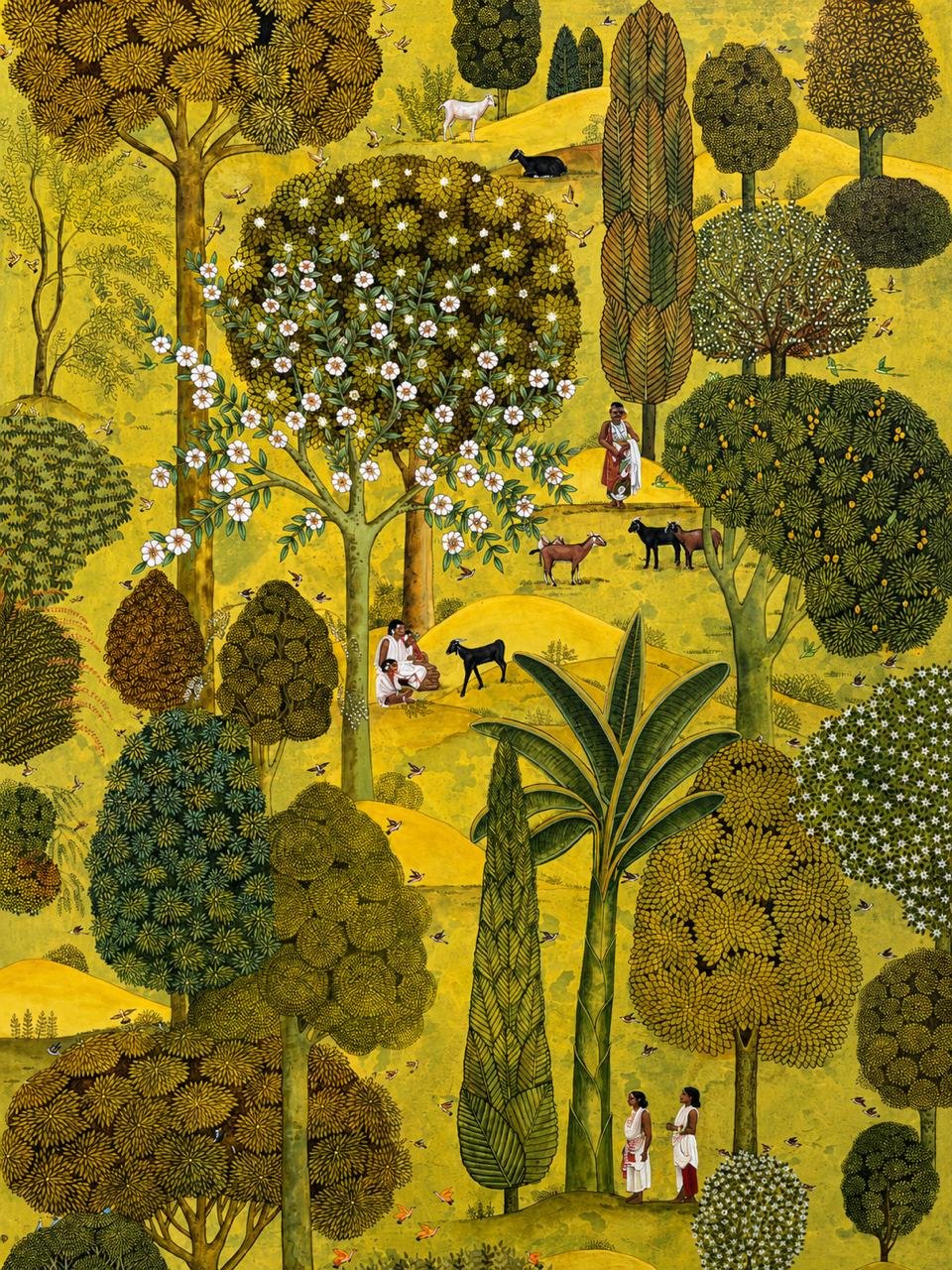
Chalk stone, charcoal, turmeric, geru soil, and brown stone have been used as sources of natural pigments. These materials establish a physical relationship between the artwork and the environment.
The recurring triangle motif, influenced in part by the landscape and visual culture associated with Niyamgiri and the Dongaria Kondh community, provides another example of how place-based knowledge can influence contemporary visual language.
Rather than separating traditional knowledge from contemporary practice, Majhi creates a space in which the two can interact.
Working With Children
Social engagement in Majhi’s practice extends beyond adult communities.
For approximately fifteen years, she has worked with children, schools, and educational communities through workshops and creative-learning activities.
Her approach encourages children to observe and interpret their own experiences rather than simply reproduce images provided by others.
Children may draw from household activities, animals, trees, festivals, village journeys, nature, and personal memories.
This method treats children as active observers and creators.
It also demonstrates how art education can become a form of social engagement. The workshop is not merely about teaching technique; it can encourage confidence, observation, imagination, and a stronger awareness of one’s surroundings.
Inclusion Through Creative Practice
Majhi’s educational activities have included engagement with underserved communities and children with disabilities.
Such initiatives demonstrate the potential of artistic participation to reach people who may not always have access to conventional cultural institutions.
In these settings, art can become a shared activity rather than a specialised field reserved for professional artists.
The emphasis on personal experience also creates space for different perspectives. Every participant can approach an environment or memory differently, allowing multiple forms of expression to emerge.
Public Art and Shared Spaces
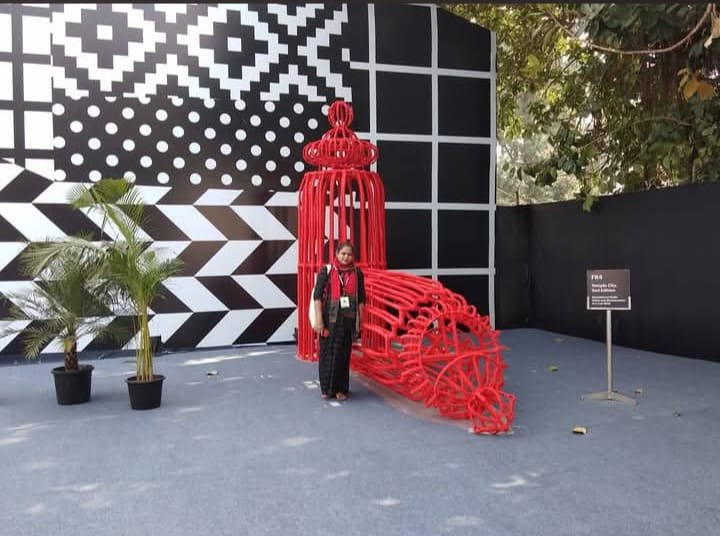
Public art provides another important platform for Majhi’s socially engaged approach.
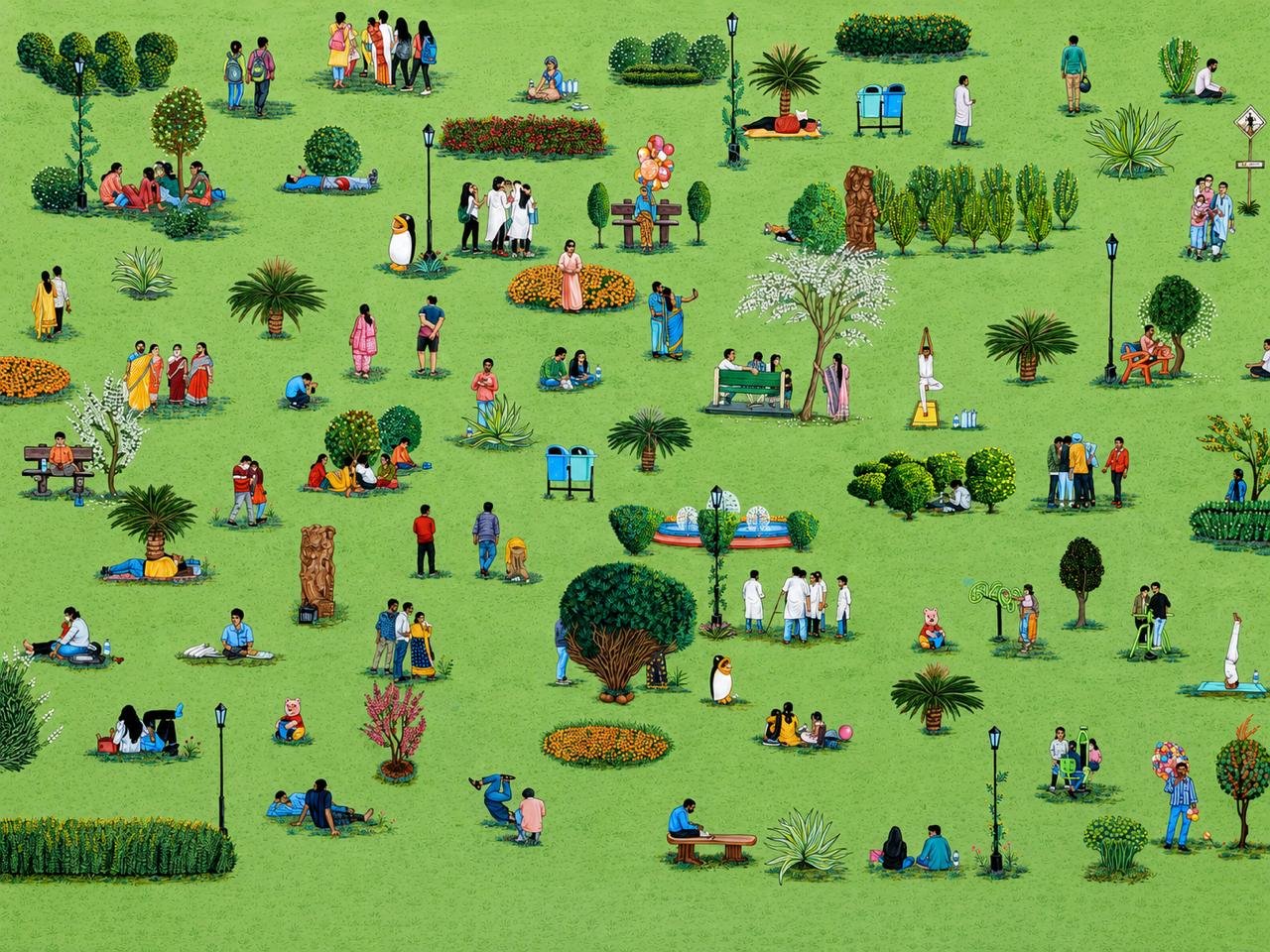
Her involvement in murals and public-art projects in Odisha has brought contemporary artistic expression into shared environments.
Projects associated with Cuttack and Bhubaneswar, including work connected with public spaces and sporting or cultural events, demonstrate how art can become part of everyday surroundings.
Works such as Pago and Thought Loom contribute to this broader practice.
Public art changes the audience relationship. People do not necessarily need to enter a museum or gallery to encounter the work. They can experience it while walking through a neighbourhood, travelling through a city, or participating in a public event.
Art and Community Memory
A public wall can also become a place where community memory is expressed.
When visual elements are introduced into shared spaces, they can contribute to how people perceive their neighbourhoods and cultural environments.
Majhi’s public-art practice therefore connects creativity with place.
The artwork becomes part of a living environment rather than an isolated object.
This approach is especially relevant in rapidly changing cities, where public spaces can provide opportunities to maintain connections with local identity and collective memory.
Collaboration at the National Level
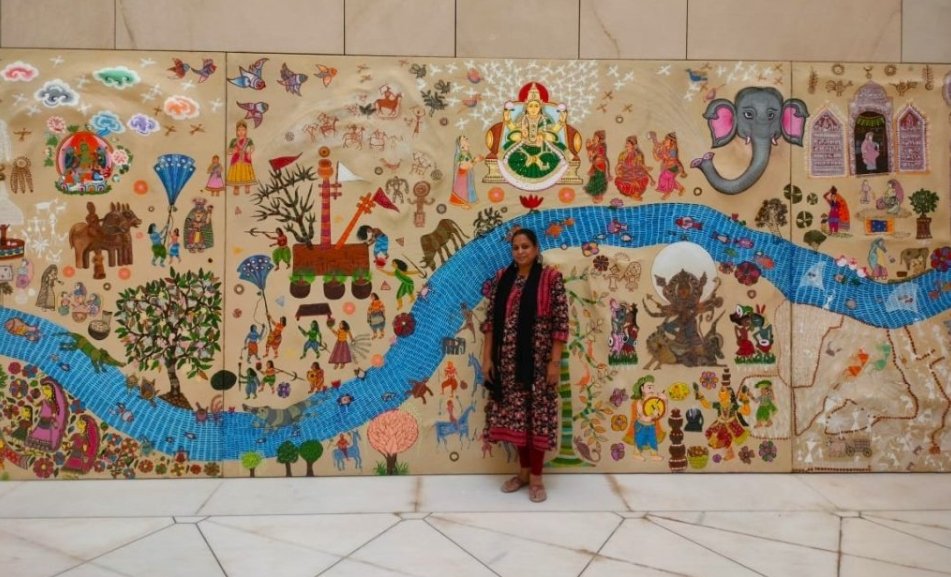
Majhi’s role in People’s Wall – Jan, Janani and Janmabhumi demonstrates how collaborative practice can operate on a national cultural platform.
The 2023 project was created for the New Parliament House through the Lalit Kala Akademi, New Delhi, and involved women artists and artisans from different regions of India.
Majhi served as a Co-Sutradhar and creative contributor.
The project brought together regional artistic traditions and creative knowledge within a shared national setting.
Its collaborative character reflects an important aspect of socially engaged practice: cultural expression can become stronger when multiple practitioners contribute their knowledge and perspectives.
The Role of the Curator and Facilitator
Majhi’s work as a curator further expands her role within the artistic ecosystem.
Curatorial activity involves creating connections between artists, artworks, audiences, communities, and ideas.
For an artist already involved in community-oriented projects, this role provides another way of facilitating cultural dialogue.
Her work with the Sasatwa Foundation, where she serves as Secretary, also reflects her broader engagement with educational institutions, communities, and social environments.
The artist therefore becomes part of a larger network of cultural activity rather than functioning independently from it.
Social Engagement Without Losing Artistic Identity
Socially engaged art does not mean abandoning artistic experimentation.
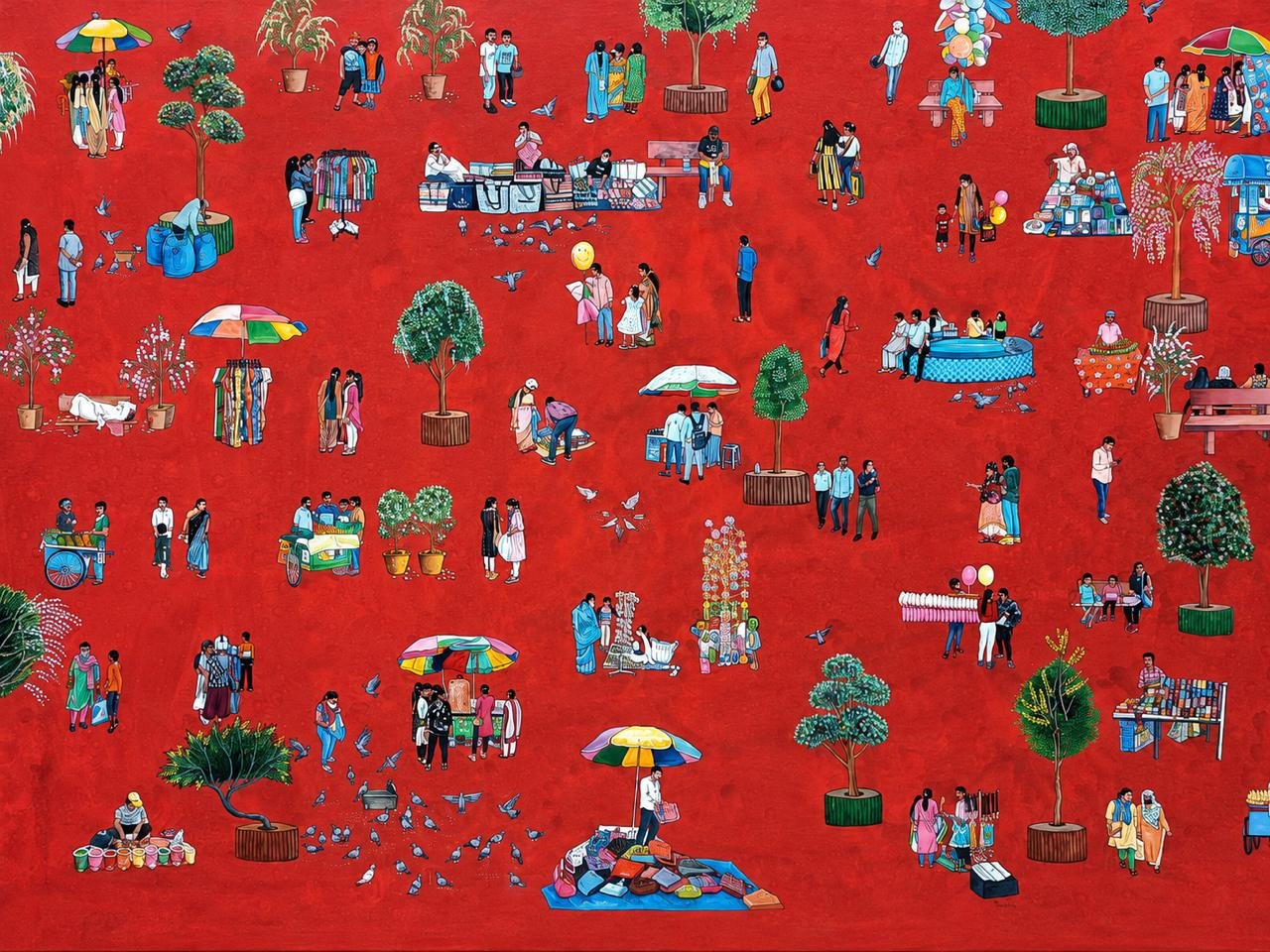
Majhi continues to work across multiple mediums and visual approaches. Painting, sculpture, installation, photography, mixed media, natural pigments, and public art allow her to explore different dimensions of an idea.
Her community engagement enriches this multidisciplinary practice by introducing new contexts, materials, stories, and perspectives.
The result is an artistic language in which social experience and formal experimentation can coexist.
Rethinking What Contemporary Art Can Do
Majhi’s career raises a broader question: what should contemporary art contribute to society?
Her practice suggests that art can do more than decorate a space or exist as a collectible object.
It can create opportunities for participation. It can encourage children to observe their surroundings. It can bring traditional knowledge into contemporary conversations. It can make public spaces more visually meaningful. It can encourage dialogue between communities and cultural practitioners.
At the same time, art can remain open-ended. It does not need to provide a single answer to social or cultural questions.
Instead, it can create situations in which people see their surroundings differently.
Conclusion
Satyabhama Majhi’s artistic practice illustrates an expanded understanding of the contemporary artist.
She works not only as a visual artist but also as a curator, educator, community practitioner, and cultural facilitator. Her engagement with the Dongaria Kondh community, children, schools, public spaces, artists, artisans, and cultural institutions has created a practice based on observation, participation, and dialogue.
From Niyamgiri-inspired visual language to natural pigments, from children’s workshops to public murals, her work demonstrates how artistic practice can remain connected to real communities and lived environments.
Her journey suggests that contemporary art can function as a meeting place—between artist and audience, tradition and modernity, individual memory and collective experience, and local knowledge and wider cultural conversations.
In this expanded role, the artist is not simply someone who creates images. The artist can also be an observer, listener, facilitator, collaborator, and bridge-builder. Satyabhama Majhi’s career offers a compelling example of how these roles can come together within contemporary Indian art.